

How you'll help
Paid family caregivers provide essential daily care for someone you love. They help with routine needs and make it possible to live with dignity at home.
- Daily living support – Assists with meals, bathing, dressing, or getting around
- Health reminders – Help with medications, appointments, and monitoring changes
- Emotional support – Offer companionship, patience, and encouragement
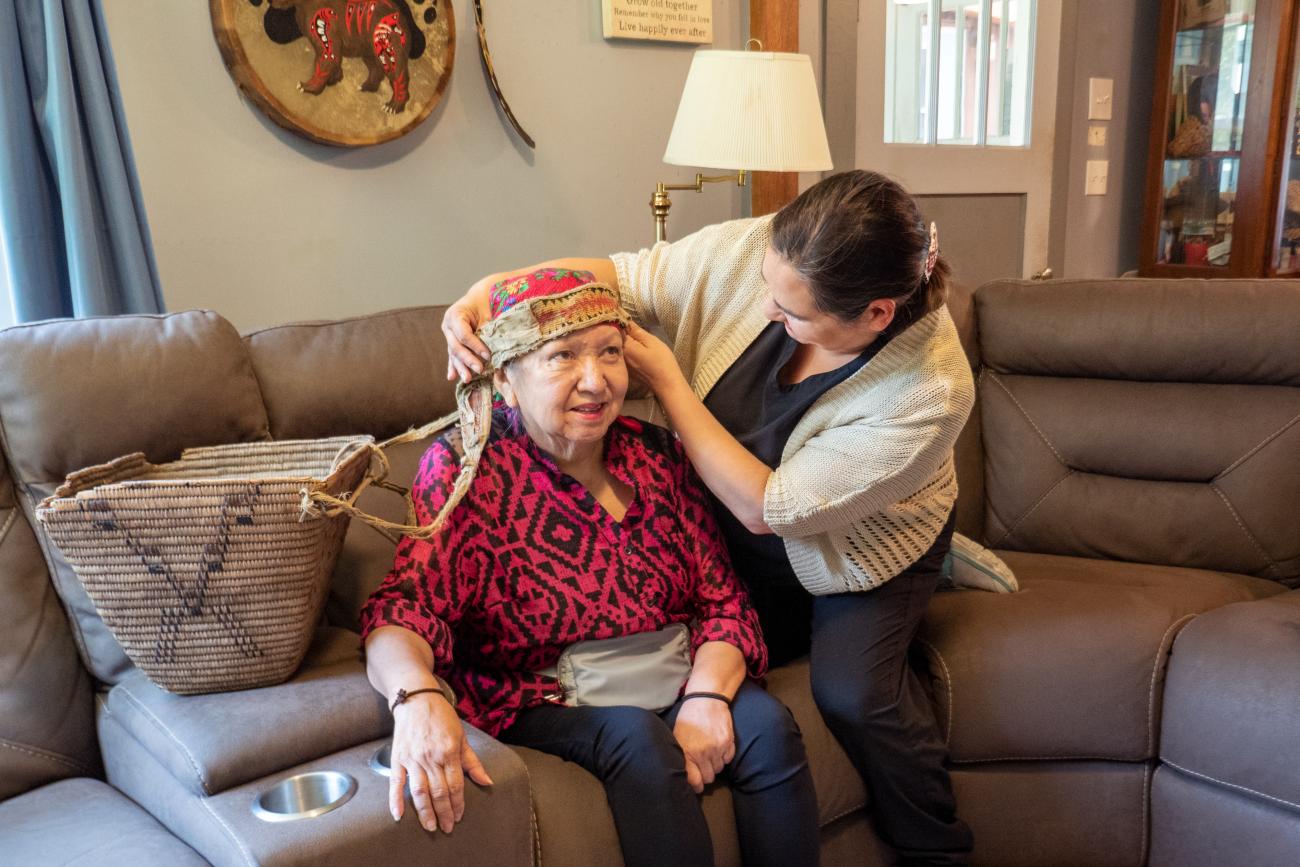
Where you'll work
Paid family caregivers do their job where their loved one lives. It might be a house, an apartment, or a shared home with family.
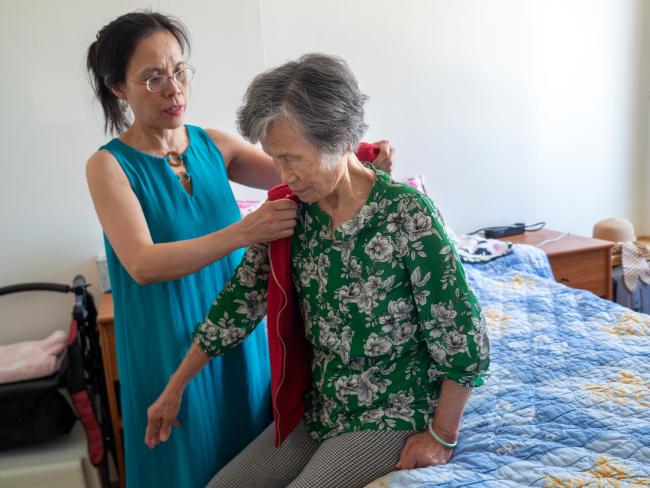
This role might be right for you if...
You’re already caring for a loved one or wondering if you can be paid to care for a family member. You’re compassionate, responsible, and willing to learn the skills that help keep your family member safe and supported.
How to become a paid family caregiver
Your family member applies for services
Your family member needs to qualify for Medicaid Long-Term Services and Supports before you can be paid.
Choose one of these ways to apply for Medicaid Long-Term Services and Supports:
- Apply online on the Washington Connection portal website; OR
- Call the Home & Community Services Single Application Phone Line at 877-429-7019; OR
- Download and submit an application; OR
- Contact your local DSHS Home & Community Services office.
Resources about the Medicaid LTSS application process and eligibility criteria:
Contact your local Community Living Connections organization if you need help. They can also help with options for services for people with disabilities and older adults in your area.
Apply to get paid for your caregiving
You can start the caregiver hiring steps while the person you support goes through the Medicaid Long-Term Services and Support process. They must qualify for state‑paid in‑home care before you can be their paid caregiver.
To get paid, you need to apply to work for Consumer Direct Care Network Washington. CDWA is the employer that pays family caregivers. Caregivers who work through CDWA are called Individual Providers or IP.
You can start your application to become an Individual Provider anytime.
How to apply:
- Review CDWA’s hiring materials so you know what to expect.
- Apply to be an Individual Provider on the CDWA application portal.
- Complete each hiring step. You can use the IP Hiring Guide to help you.
- Watch for CDWA approval. They will tell you when you can start paid care.
Contact CDWA if you need help:
- Email: InfoCDWA@ConsumerDirectCare.com
- Call: 866-214-9899 Mon-Fri: 7am-7pm
- Text: 877-532-8568 Mon-Fri: 8am-5pm
- Schedule an Appointment with CDWA
Complete your training
After you apply to Consumer Direct Care Network Washington, CDWA will send clear steps on how to sign up for trainings and when to take them.
- 5 hours: Orientation & Safety Training.
- 30 hour basic training: SEIU775 Benefits Group provides this training.
Get help from a Navigator
Do you have questions? Our Navigators can provide free guidance and support as you go through the process of becoming a paid family caregiver.
Common Questions
- Can I be a paid family caregiver for my minor child ?
-
Parents of children under 18 years old cannot be their child’s paid caregiver through DSHS services. Even if you cannot be paid as the caregiver, your child may qualify for help (respite, personal care, therapies, etc.)
For more information on services that may be available for your child see Developmental Disabilities Adminstration page.
- Who can be a paid family caregiver?
-
You can get paid if you are an Individual Provider and you care only for an eligible family member.
Eligible relatives include an adult child, parent, or sibling. The list also covers aunt, uncle, cousin, niece, nephew, grandparent, and grandchild. This also includes relatives by marriage or domestic partnership.
You can also get paid to care for someone who is not a family member. Non‑family caregivers may need different training. Follow the steps to apply as a paid family caregiver or contact a Navigator for help.
- Can I be a paid caregiver for my spouse?
-
Under Apple Health and the Long Term Services and Supports program, you cannot be paid to provide care for your spouse.
However, there are programs in Washington that do allow spouses to be paid caregivers:
Veteran Directed Care
If your spouse is a veteran and qualifies for Veteran Directed Care, the program may allow you to be hired as their paid caregiver.
WA Cares Fund
WA Cares will allow spouses to be paid caregivers if the person receiving care has earned WA Cares benefits and meets the required level of need. Visit WA CARE Fund website.
- Paid family caregiver vs Individual Provider
-
A paid family caregiver is an Individual Provider. Individual Provider is the term many programs use for paid caregiver. Consumer Direct Care Network Washington hires and pays both.
Key difference
All paid family caregivers are Individual Providers, also referred as IPs. Not all IPs are paid family caregivers.
If you care for a non‑family person, you can still be an IP. CDWA sets pay and rules for both. Training or other requirements may differ.
- How much do paid family caregivers get paid?
-
See Consumer Direct Care Network Washington contract for the current rate. SEIU 775 Contract for Consumer Direct Washington