
Washington’s 2026 Long Term Services and Supports Workforce Report

Washington’s Population is Aging
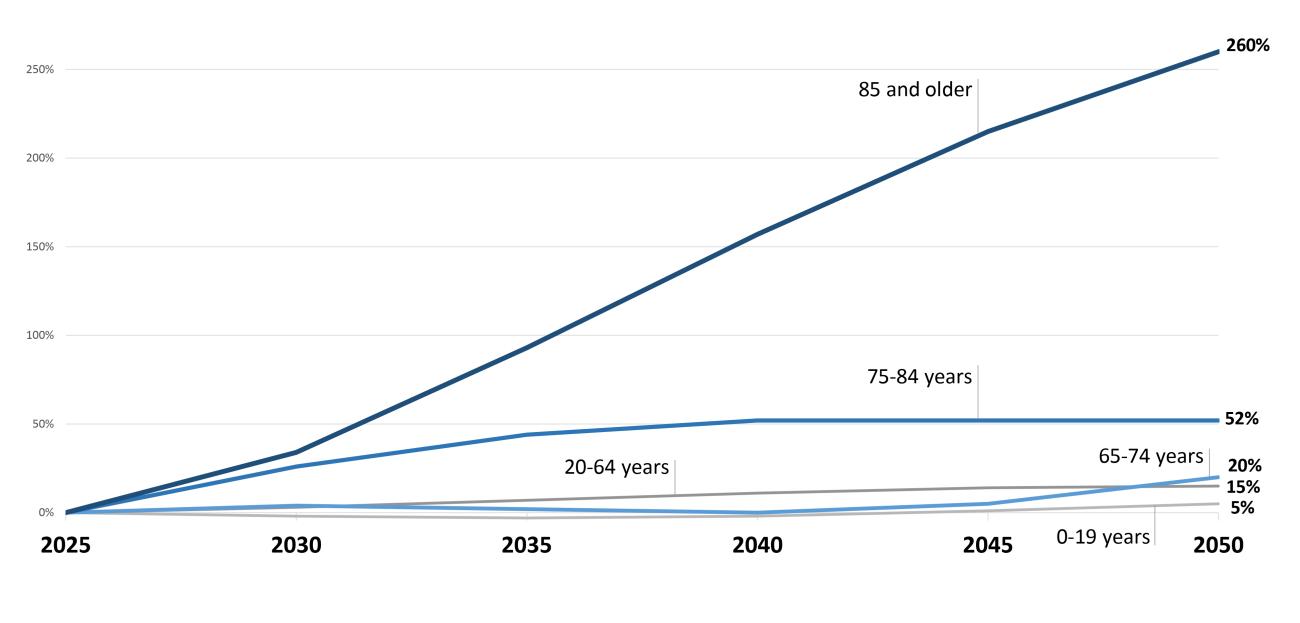
Washington’s 2026 Long Term Services and Supports Workforce Report offers a clear picture of how care needs are changing across the state. The report is required by House Bill 1694 and helps us understand the growing need for long term services and supports among older adults, people with disabilities, people with dementia, and individuals served by the Developmental Disabilities Administration.
The report shows that the number of people who need Medicaid funded LTSS is expected to increase by more than 50% by 2050. The number of adults age 85 and older will grow sharply. Adults with LTSS needs will increase from about 400,000 to nearly 600,000. These changes reflect natural population growth and the changing needs of Washington residents.
The LTSS workforce is growing too, but at a slower pace. Direct care workers continue to face challenges such as low wages, high workloads, and competing demands at home. The report helps us understand where the gaps are and where support is needed.
This is where the work of the Workforce Development team becomes important.
How DSHS Workforce Development Team is Responding:
- Workforce Navigators providing one-on-one support to prospective caregivers.
- High School Home Care Aide Program to grow the next generation of caregivers.
- High School Incentive Pilot to support new and current HCA programs.
- Transportation Pilot to help caregivers and clients with stability of care.
- Technology Stations Pilot to increase access for prospective caregivers in rural locations.
- Statewide marketing to increase recruitment and retention of caregivers.
Why This Matters
The report helps us understand the need. Our work helps people thrive. Washington’s LTSS system is changing, and we are working to improve support for caregivers so they can continue to meet the needs of our communities